How to Apply for Solar Subsidy in Gujarat & The Top Benefits of Solar Energy

11/4/20254 min read

Let’s get real for a second, electricity costs are rising every year, and the climate conversation is louder than ever. If there’s one solution that addresses both, it’s solar energy. Gujarat, known for its strong sunlight and forward-thinking energy policies, has become one of India’s leading states for solar adoption. The best part? The government actually helps you go solar through generous subsidy schemes.

If you’ve been thinking about installing solar panels but aren’t sure where to start, or how to apply for a subsidy, this guide will walk you through everything clearly.

Understanding the Solar Subsidy in Gujarat
Before jumping into the application process, let’s understand what this subsidy really means.
The Government of India, under the National Portal for Rooftop Solar, and the Gujarat Energy Development Agency (GEDA) at the state level, both offer financial assistance to reduce the upfront cost of installing solar panels. These subsidies are designed to make clean energy more affordable for homes and small businesses.
In simple terms, the government pays a part of your total installation cost, so you end up paying less.

Here’s a quick snapshot of how subsidies generally work:

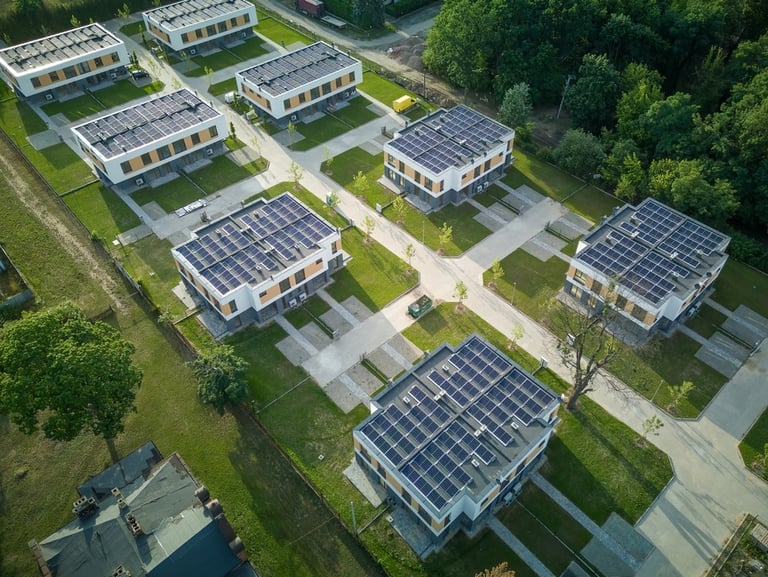
  • For residential consumers (individual homes, housing societies, apartments):
    The central government provides a 40% subsidy for systems up to 3 kW and 20% for systems between 3 kW to 10 kW.

  • For housing societies (Group Housing Societies or Residential Welfare Associations):
    A subsidy is available for up to 500 kW capacity shared across the society.

The subsidy amount is credited directly to your bank account after installation and verification.

Step-by-Step Process to Apply for Solar Subsidy in Gujarat
Let’s break down the actual process in simple, practical steps:

Step 1: Visit the National Solar Portal
Go to the official National Portal for Rooftop Solar. This portal is managed by the Ministry of New and Renewable Energy (MNRE) and connects you directly to state agencies like GEDA.

Step 2: Register as a Consumer
Create an account using your details, name, address, DISCOM (electricity provider), and electricity consumer number. Once you log in, you can start the application process for your solar installation.

Step 3: Select an Approved Vendor
Here’s an important part. To qualify for the subsidy, you must install your solar system through a vendor approved by GEDA or MNRE. These vendors are trained and certified to install quality systems that meet government standards.

Step 4: Submit the Application
After choosing the vendor, fill in the application details, system size, type, and expected installation date. The portal will then send your request to the local DISCOM for technical feasibility approval.

Step 5: Wait for DISCOM Approval
Your DISCOM (for example, Torrent Power, DGVCL, PGVCL, MGVCL, or UGVCL) will inspect your rooftop setup and confirm that it’s technically suitable for solar installation. Once approved, you’ll get the green light to proceed.

Step 6: Installation by the Approved Vendor
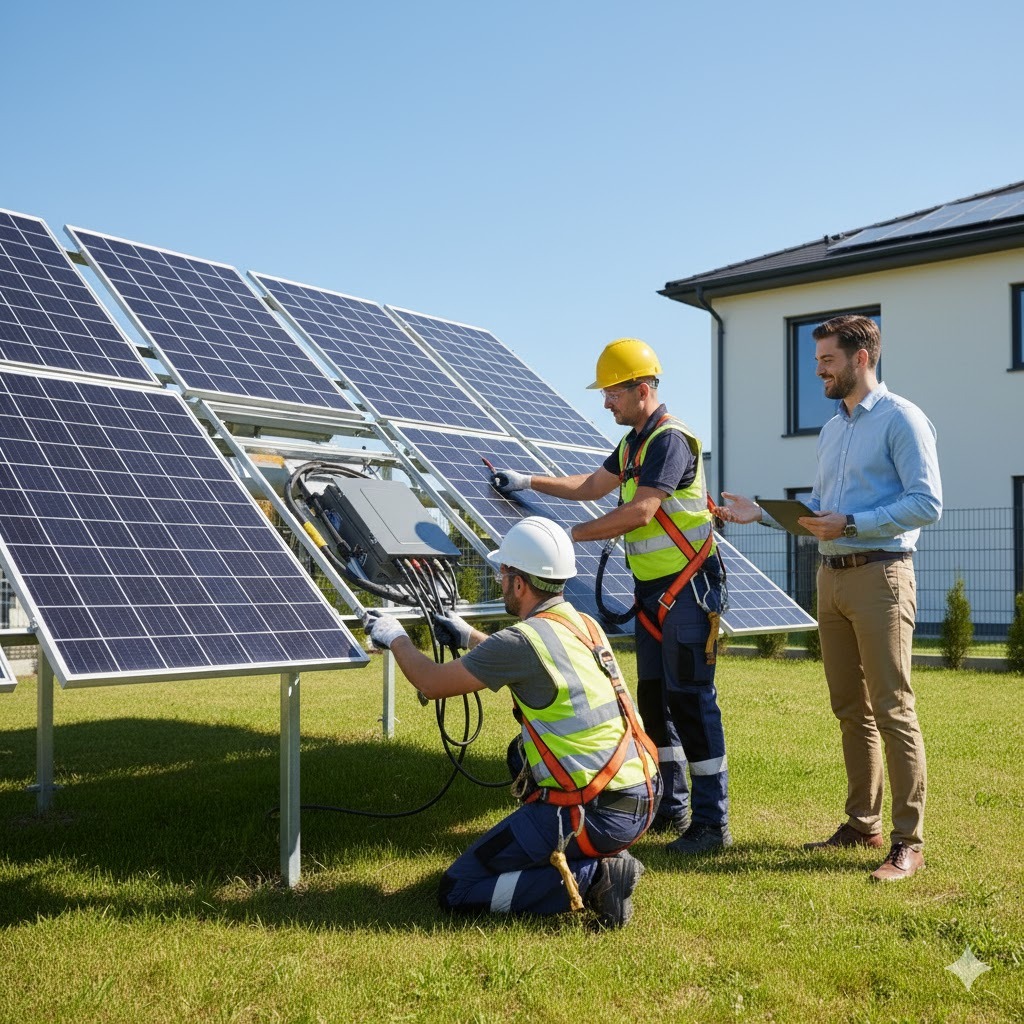
After approval, your vendor installs the solar panels, inverter, and related wiring. They also handle safety checks, testing, and ensure everything meets technical standards.

Step 7: Net Meter Installation
Once the solar system is ready, the DISCOM installs a net meter, a smart device that tracks how much electricity you generate versus how much you consume. This allows you to get credits for any surplus energy you send back to the grid.

Step 8: Final Inspection & Commissioning
After the installation, the DISCOM will inspect and commission the system. This is the final verification stage before the subsidy amount is processed.

Step 9: Receive Subsidy Directly in Your Bank Account
Once the system is successfully commissioned, the subsidy amount is transferred directly to your registered bank account under the Direct Benefit Transfer (DBT) scheme.

That’s it, you’re officially a solar energy producer.

Documents You’ll Need

To keep things smooth, make sure you have these ready:

  • Copy of your latest electricity bill

  • Property ownership proof (like a tax receipt or property card)

  • Aadhar card and PAN card

  • Bank details (for subsidy transfer)

  • System details and vendor invoice

Why Solar Energy is Worth It: Top Benefits You Can’t Ignore
Subsidy aside, solar energy brings real, long-term advantages. Here are the biggest ones:

1. Major Savings on Electricity Bills
Once your system is up, your electricity bills drop dramatically. In many homes, it covers 70–90% of monthly consumption. Over time, your solar panels literally pay for themselves.

2. Low Maintenance, High Returns
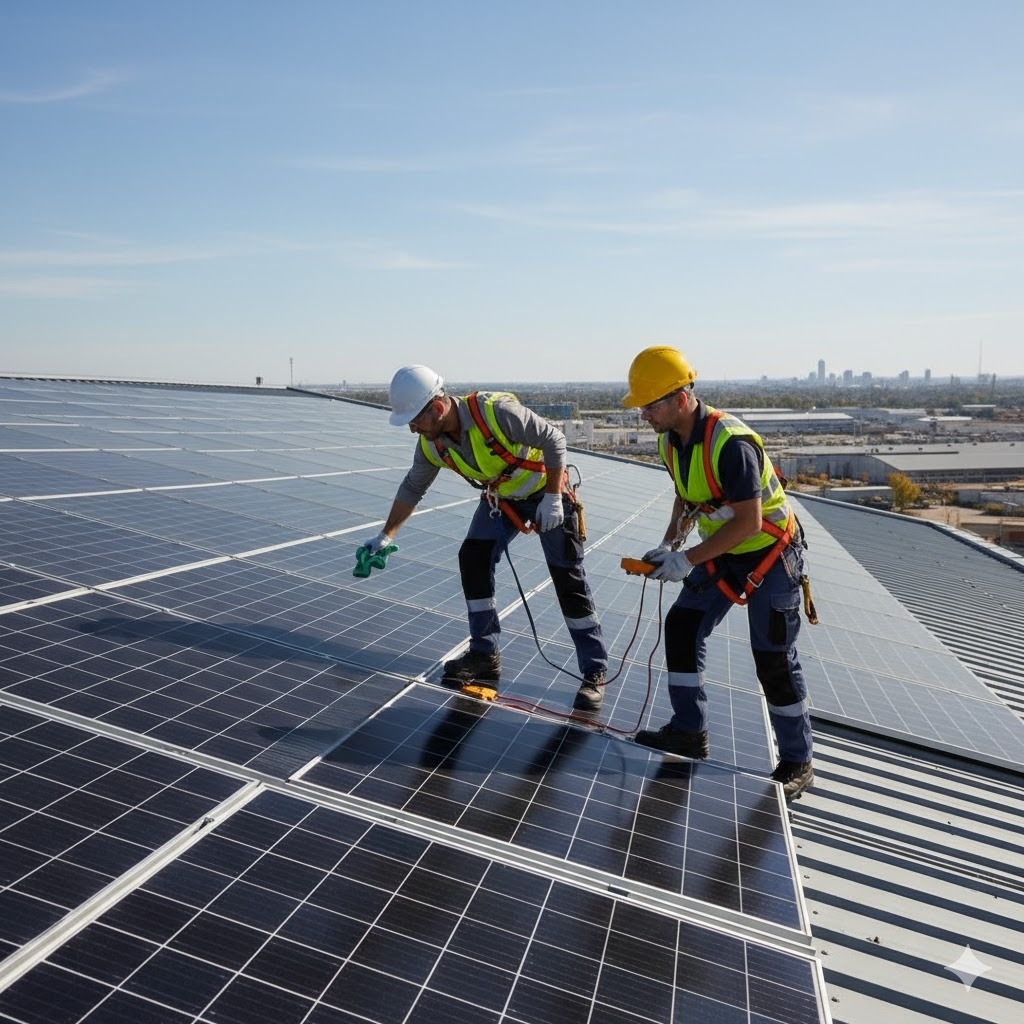
Solar panels don’t demand much attention. Occasional cleaning and a quick annual inspection are usually enough to keep them efficient for 20+ years.

3. Environmentally Responsible
Each kilowatt-hour of solar power reduces carbon emissions that would otherwise come from burning coal or gas. It’s a tangible step toward a cleaner environment, something future generations will thank you for.

4. Energy Independence
When you produce your own electricity, you’re less dependent on the grid or fluctuating power tariffs. It’s especially valuable during power cuts or in rural areas where supply isn’t consistent.

5. Increases Property Value
A solar-equipped home is a future-proof home. Many buyers now see rooftop solar as a premium feature, meaning it can increase your property’s resale value.

6. Government Support Makes It Easier
With both state and central subsidies, plus net metering benefits, your investment becomes lighter on the pocket and heavier in returns.

7. Scalable and Future-Ready
Start small, say with a 3 kW setup, and expand later as your needs grow. Solar systems are modular, so scaling up is simple.

Key Things to Keep in Mind
A few tips before you go ahead:

  • Always install panels facing south for maximum sunlight exposure.

  • Ensure your roof is shadow-free most of the day.

  • Compare a few GEDA-approved vendors before finalizing.

  • Keep digital and paper copies of all your documents and approvals.

Gujarat’s Solar Edge
Gujarat was one of the first Indian states to adopt solar on a large scale. Cities like Ahmedabad, Rajkot, Vadodara, and Surat have thousands of rooftop installations already running. The state’s policies are transparent, the process is straightforward, and the returns, financial and environmental, are solid.
In short, if you live in Gujarat, there’s really no reason not to go solar. The government’s doing its part; all you need to do is take the first step.

The Bottom Line
Switching to solar isn’t just about saving money, it’s about taking responsibility for the kind of world we want to live in. The subsidy is simply the government’s way of nudging you in that direction.

Apply through the National Solar Portal, pick an approved vendor, get your system installed, and start watching your meter run in reverse. Every unit of electricity you generate is a step toward financial freedom and environmental progress.

For homeowners and housing societies across Gujarat, the sun isn’t just a source of light, it’s an opportunity.

And if you’re ready to explore your solar options with expert guidance, Jasko Energy can help you plan, install, and maintain your rooftop system with ease.